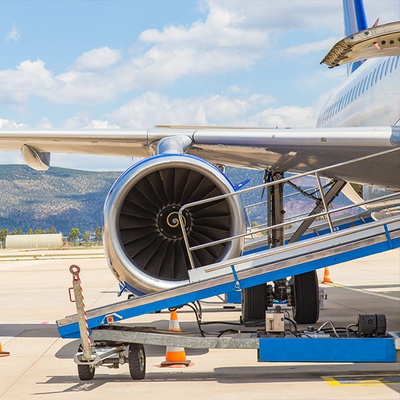
The two sectors develop complex aircraft systems which require sophisticated engineering knowledge to construct while following all necessary safety regulations. Employers who want to attract aerospace professionals need to know about these distinctions because they compete for limited talent while professionals must choose their career destinations.
Different Markets, Different Pressures
The commercial aerospace industry depends on market-based elements which control its business activities. Airlines need fuel-efficient operations, lower operational expenses and speedier product development to stay ahead in their market. The manufacturing industry needs to improve its operational performance while suppliers need to maintain low costs and meet their strict delivery requirements. The situation demands quick responses because it operates at a rapid pace which requires both flexible thinking and efficient operations. Defence aerospace operates to a very different rhythm. The government supports these programmes through funding because they contain political elements and need extended periods of time to complete their goals which exceed multiple years. Aircraft systems operate throughout various service lifetimes because they need scheduled system updates instead of full system replacement. The design and development process concentrates on preserving system dependability, defence capabilities and prolonged maintenance instead of working at high speed.
Skills and Experience Expectations
The commercial aerospace industry requires employees who will help the organisation achieve better operational efficiency, larger production capacity and creative solutions. The ideal candidates for this position need to have experience with lean manufacturing, systems engineering for optimisation and digital technology skills that include predictive maintenance and data analytics. There is also strong demand for programme and supply chain professionals who can manage complex global vendor networks and respond quickly to changes in demand. Defence aerospace roles typically require a different depth of expertise. Organisations need candidates to prove their experience because they require workers for safety-critical and mission-critical environments. The current job market requires engineers who can work with avionics, radar systems, communications technology and secure systems development as well as programme managers who understand how to manage complex stakeholder and regulatory needs. Knowledge of military standards together with defence compliance frameworks represents a typical requirement in most cases. The technical base between these organisations shares common elements yet defence organisations choose to hire staff who have worked extensively in controlled environments instead of those with experience across varied commercial projects.
Security Clearance and Compliance
Security clearance stands as the main distinction which exists between these two professional fields. Defence aerospace roles are often restricted to candidates who have received national security clearance. The process of citizenship requirements, background checks and extended approval timelines results in hiring delays that can extend into several months. Commercial aerospace does not face these same limitations. Employers can recruit internationally which helps them access critical skills when local talent becomes scarce. While the absence of clearance requirements makes commercial roles more accessible it also increases competition for top candidates.
Pace of Hiring and Workforce Planning
Commercial aerospace recruitment adjusts in line with market conditions. Hiring volumes depend on airline purchasing activity, supply chain challenges and global travel trends. Organisations must scale rapidly during periods of growth but pause hiring or restructure during economic downturns. Defence aerospace recruitment follows a more stable pattern driven by long-term government contracts. Workforce planning focuses on protecting institutional knowledge and developing future leadership rather than rapid expansion. Teams are built to support programmes over extended timeframes. This difference requires commercial aerospace recruiters to respond quickly while defence recruiters must plan across multiple years.
Culture and Candidate Motivation
Candidate motivations often differ as clearly as the operating environments. Commercial aerospace attracts professionals who want to innovate, see rapid progress and contribute to aircraft systems that support global air travel. The pace is fast and results are visible. Defence aerospace appeals to individuals motivated by national security, technical challenges and participation in long-term strategic programmes. While much of the work remains unseen by the public it carries deep professional significance.
How Alchemy Global Talent Solutions Can Help
Alchemy Global Talent Solutions delivers recruitment services to commercial and defence aerospace organisations across global markets and varied programmes. Its recruitment strategies reflect the differences between these sectors while aligning technical requirements with organisational values and long-term goals. Alchemy operates as a global talent connector supporting regulatory navigation, security clearance processes and market adaptation to enable sustainable long-term aerospace recruitment success.