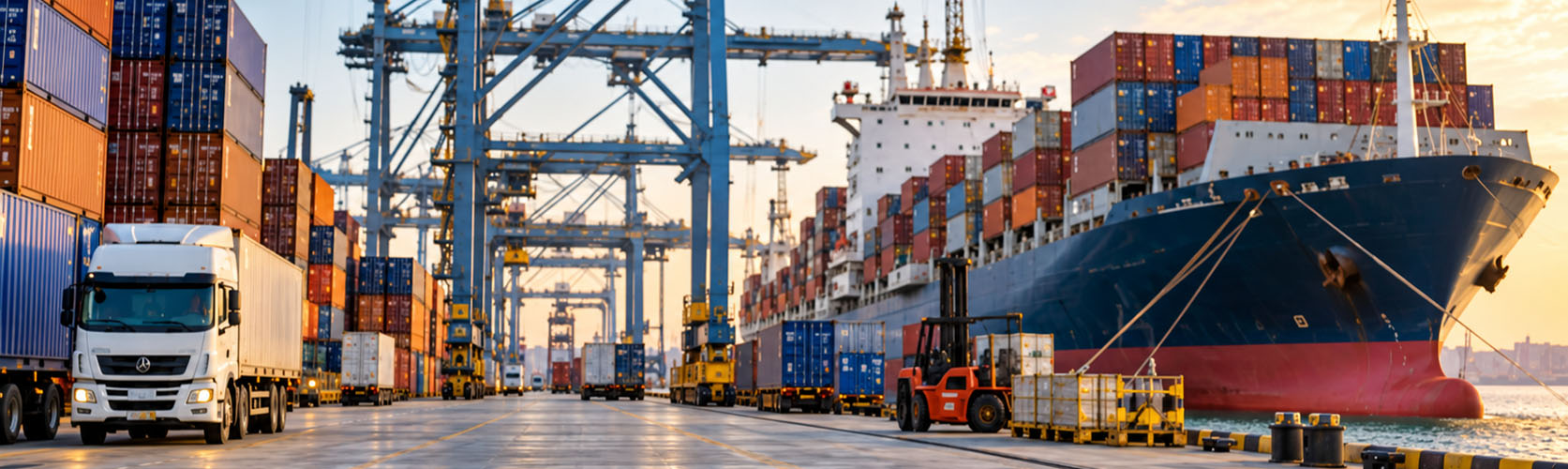
Freight forwarding is an important part of global trade, helping businesses transport goods between countries efficiently and safely. Staff handle all aspects of international shipping, from arranging a shipment to completion, dealing with customs on their customers’ behalf and ensuring all the necessary paperwork is completed.
There are a variety of ways you could work in the freight forwarding industry. If you have experience in operations, customer service, sales, and management within the freight forwarding industry then you could look to progress within a company to a more senior role.
Understanding the freight forwarding industry
It is also useful to know how the freight forwarding industry works prior to starting a career in freight forwarding. Many freight forwarders specialise in air freight, sea freight or road transport and work with a variety of different transport companies around the world. There are also a number of different authorities that freight forwarders have to deal with when moving goods between countries, such as customs.
You will need to have a good grasp of how international supply chains work and all of the documentation that is needed to move goods between countries.
Getting started in freight forwarding
There are many ways to enter the industry of freight forwarding, whether this is through completing a higher education course in logistics and supply chain management or more through entry level positions and gaining on the job training and experience whilst developing transferable skills.
If you are working in an operational position within a freight forwarding company this will give you more in-depth knowledge of how a shipment is processed from start to finish, allowing for more complex roles within the company.
Developing the right skills
Freight forwarders are dealing on a constant basis with a variety of customers, suppliers, carriers and even other agents worldwide. They must have the ability to inform and keep updated all interested parties of the progress of all consignments.
Attention to detail is critical as errors in documentation or missing a deadline for submission can result in delays and in some cases additional costs to customers.
Freight forwarding can also be unpredictable. Weather conditions, customs inspections, port congestion and transport disruptions can all affect delivery schedules. Being able to remain organised, adapt to changing circumstances and find practical solutions is a valuable quality.
Building knowledge of international trade
Freight forwarding is often part of international trade, and therefore that knowledge of that trade is important for a person’s long term career goals.
This can include customs procedures, all import and export regulations, as well as the appropriate documentation for shipping. It can also include Incoterms which detail the roles of the buyer and seller at different stages of the transaction.
Knowledge of different modes of transport, their costs and time spans as well as their restrictions are also important. Programmes, such as industry specific training courses, can be invaluable to individuals in freight forwarding helping to educate them in all aspects of a freight forwarder’s role.
Understanding technology in freight forwarding
Most companies now use online booking systems for freight bookings as well as to track and manage the freight once it is in transit. All freight related documents are now mainly online and companies have to deal with a lot of customers on a daily basis via email, phone and online tracking systems.
Understanding transport management systems, freight forwarding software and online tracking services will also assist your career in freight forwarding. Freight forwarding in itself is becoming more automated, especially when it comes to administrative tasks.
Progressing into senior freight forwarding roles
While some freight forwarding careers can see individuals specialise in various areas such as customs, air freight, sea freight, other roles can see individuals progress into supervisory and management positions.
Freight forwarding managers can look after customer accounts and manage the overall performance of the freight forwarding arm of a business. Roles such as operations manager and branch manager require freight forwarding knowledge as well as leadership skills and the ability to manage a business to attain commercial objectives.
Freight forwarders can also work within the sales and business development function of a company. This would be suitable for freight forwarders that enjoy building good relationships with clients and identifying further business opportunities.
Finding career opportunities in freight forwarding
Creating a career path in freight forwarding will take time and may be different for everyone. However, as long as someone has the right skills, a good work ethic and is willing to learn then there are plenty of opportunities within the industry.
At Alchemy Global Talent Solutions we work with leading employers across the logistics, shipping and freight forwarding sector to offer talented individuals the opportunity to develop their careers. Whether you are just starting out in freight forwarding or are looking for a more senior role, our specialist consultants can help.