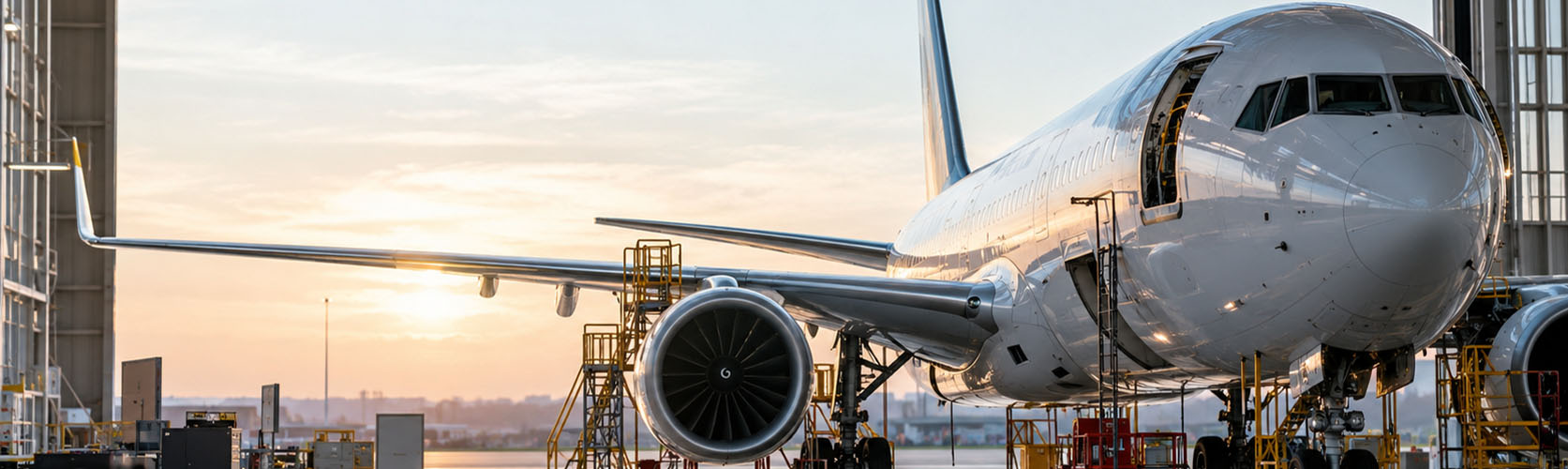
From aircraft components to satellite systems, aerospace projects involve complex technical work and demanding deadlines. Aerospace project managers help keep these programmes organised, on budget and on schedule.
Aerospace project managers manage the planning and delivery of work from engineering, manufacturing and other specialist sectors. The role combines project management expertise with an understanding of the sector’s technical and regulatory demands.
Responsibilities of an Aerospace Project Manager
An aerospace project manager is responsible for managing a project from start to finish. Generally this involves co-ordinating a number of resources to meet an agreed budget and to complete on time. This will involve identifying and dealing with risks along the way, generally in conjunction with an engineering team.
For an aircraft development project, they might oversee a particular component or system, ensuring it meets specifications while coordinating engineers, suppliers and customers.
Projects move through design, development, testing, manufacturing and delivery. The manager sets milestones, tracks progress and adjusts plans when circumstances change.
A typical day might involve reviewing delivery milestones, meeting engineering leads, updating risk registers and briefing customers on progress.
Managing Budgets, Deadlines and Project Risks
Aerospace project managers have to manage the cost of expensive materials and the use of specialist equipment and also be aware of long production times. Even a small delay could have on other parts of the organisation or on suppliers.
In managing budgets, the project manager allocates resources to different aspects of a project, whether it’s the costs of engineering resources or other team members and suppliers. Risks may include supply chain problems, technical issues, and customer changes.
The project manager in conjunction with the project team, will assess the impact to delivery of the problem and agree on the most effective solution to get back on track, e.g. delivery to new time frames or re-prioritisation of work.
Working with Engineering and Manufacturing Teams
Aerospace project managers rarely work in isolation. They communicate regularly with design engineers, quality specialists, manufacturing teams, procurement departments and senior management.
This does not necessarily mean the project manager makes all the technical decisions, rather they ensure the correct people are involved and that all decisions are logged and that each group understands how their work fits into the overall programme.
A project may consist of suppliers based in different countries. The manager has to have visibility of the activities of all these suppliers and manage the dependencies between different teams.
Understanding Safety and Regulatory Requirements
The project manager must have an awareness of safety and quality requirements for the projects they manage. This would include an understanding of the relevant safety and quality standards as well as the regulatory approval process for products and services delivered within the aerospace industry.
Project managers also need to understand the different safety and regulatory requirements which affect their projects. These can be requirements from aviation authorities, customer requirements, or requirements for compliance with an aerospace quality management system.
It is the project manager’s responsibility to plan for the necessary reviews, tests and documentation to ensure compliance to required aerospace standards and regulations. This must be done as early as possible in the project to avoid expensive rework later in the project.
What Skills Does an Aerospace Project Manager Need?
Understanding finance, problem solving, making tough decisions under pressure and utilising project scheduling tools such as risk registers and change-control processes are skills required to be a competent aerospace project manager.
Some technical knowledge is always useful but the project manager does not have to be an aerospace engineer. Knowing about the engineering processes, manufacturing processes, industry specific terminology and more will certainly help.
How Do You Become an Aerospace Project Manager?
There is no one way to get into aerospace project management. People often enter the field by first working in aerospace engineering, manufacturing or in aerospace quality assurance, as project coordinators or even managers of large complex projects in other industries.
Career Opportunities in Aerospace Project Management
As aerospace project managers progress in their careers they will typically move on to senior project managers, programme managers or even take on CEO roles within the aerospace industry. They will be responsible for large budgets and teams of other technical specialists.
Aerospace project management is a great career for people that like problem solving, working with technical specialists, and managing complex work. As a career it has many varied responsibilities and many opportunities for growth and development.
Explore Aerospace Career Opportunities with Alchemy
Whether you are looking for a first role within aerospace project management or looking to develop your existing career within the aerospace project management scene, we have a number of roles available.
Alchemy Global Talent Solutions specialises in connecting professionals with employers across the aerospace sector. Explore our latest opportunities or contact our recruitment team to discuss your next career move.